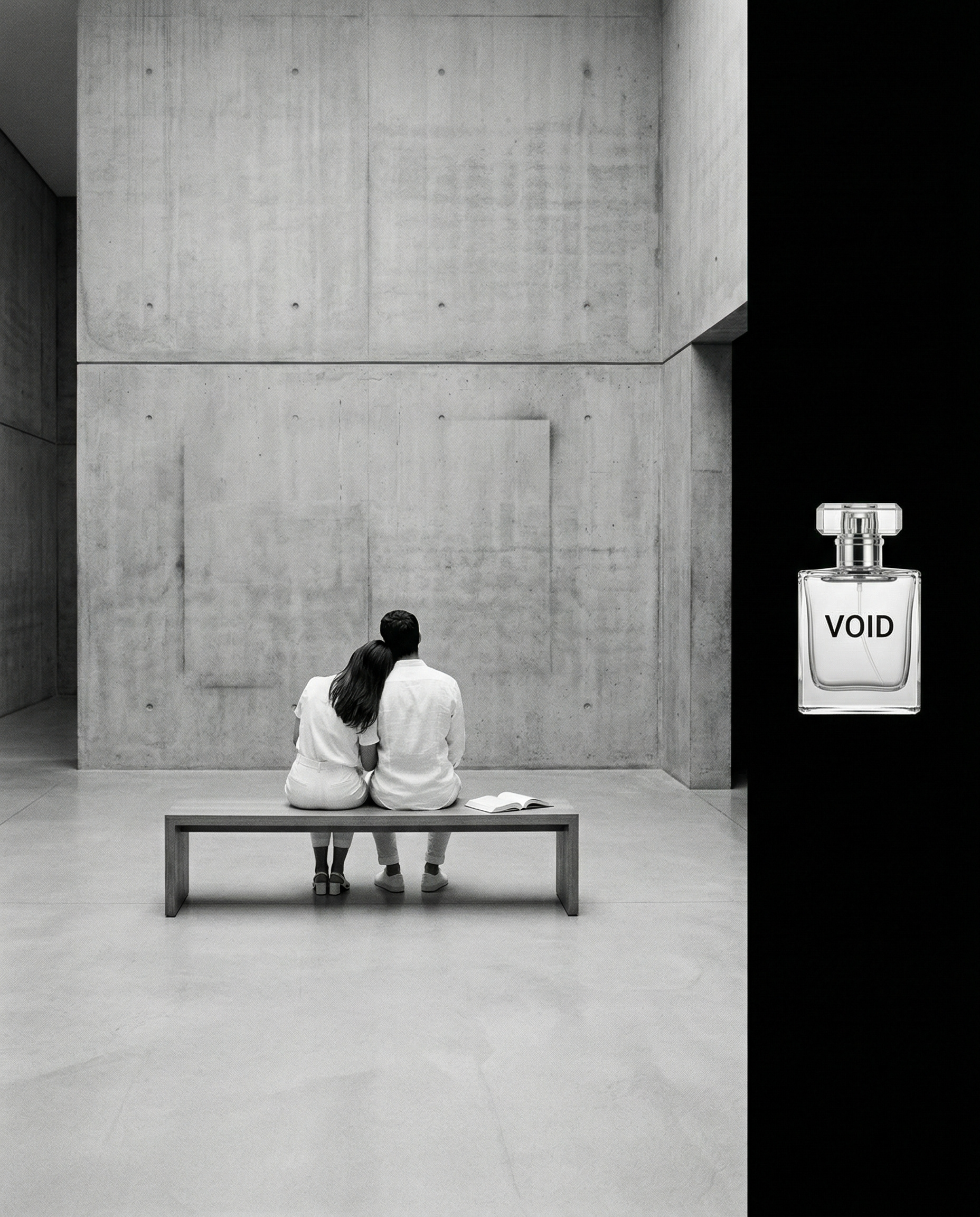
AI image for the fictional perfume “VOID” using text-prompting only.
Generated with Google Nano Banana 2
Generated with Google Nano Banana 2
Product Premise: “In a world saturated with purpose, performance, and personal growth, VOID offers a controlled reduction of meaning. Rather than enhancing identity or amplifying emotion, VOID lowers the overall significance of everyday experience to meaninglessness. VOID — The luxury of feeling less”
This short video provides a brief overview of the Flux, Google Veo and Kling generative model tests.
With Flux, spatial coherence is not always consistent, particularly in my case regarding the vehicle’s internal geography, where left–right orientation and camera placement are often misinterpreted. To achieve results that align more closely with the original intent, the model needs to be fed with as many clear and specific reference frames as possible, effectively guiding the system toward a more accurate spatial understanding.
Lighting cues and character movements can also feel unconvincing in video outputs (especially when compared with results from Kling), occasionally breaking the sense of realism. When the goal is to maintain visual continuity across shots, the workflow becomes significantly more demanding, as these limitations require constant correction and iteration.
Despite these challenges, Flux, Google Veo, and Kling remains an extremely powerful and inspiring tool for pre-visualization. When used at the early stages of an idea, it allows filmmakers and visual artists to quickly explore compositions, lenses, lighting moods, and camera perspectives, making it a valuable creative asset even within its current constraints.
Read the article on Medium
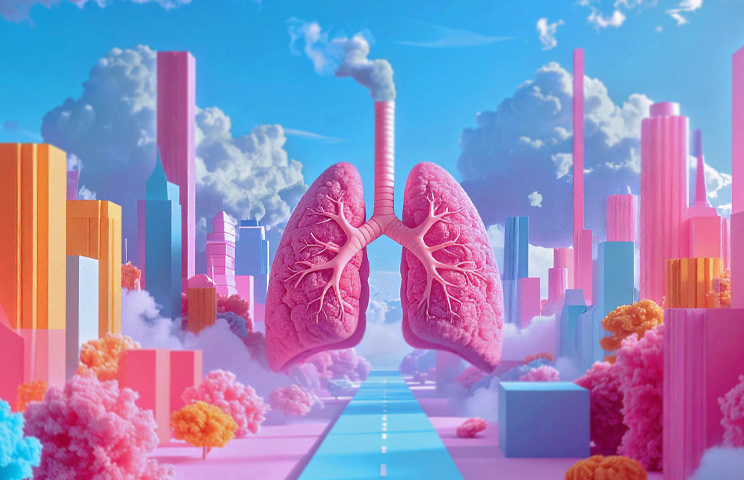
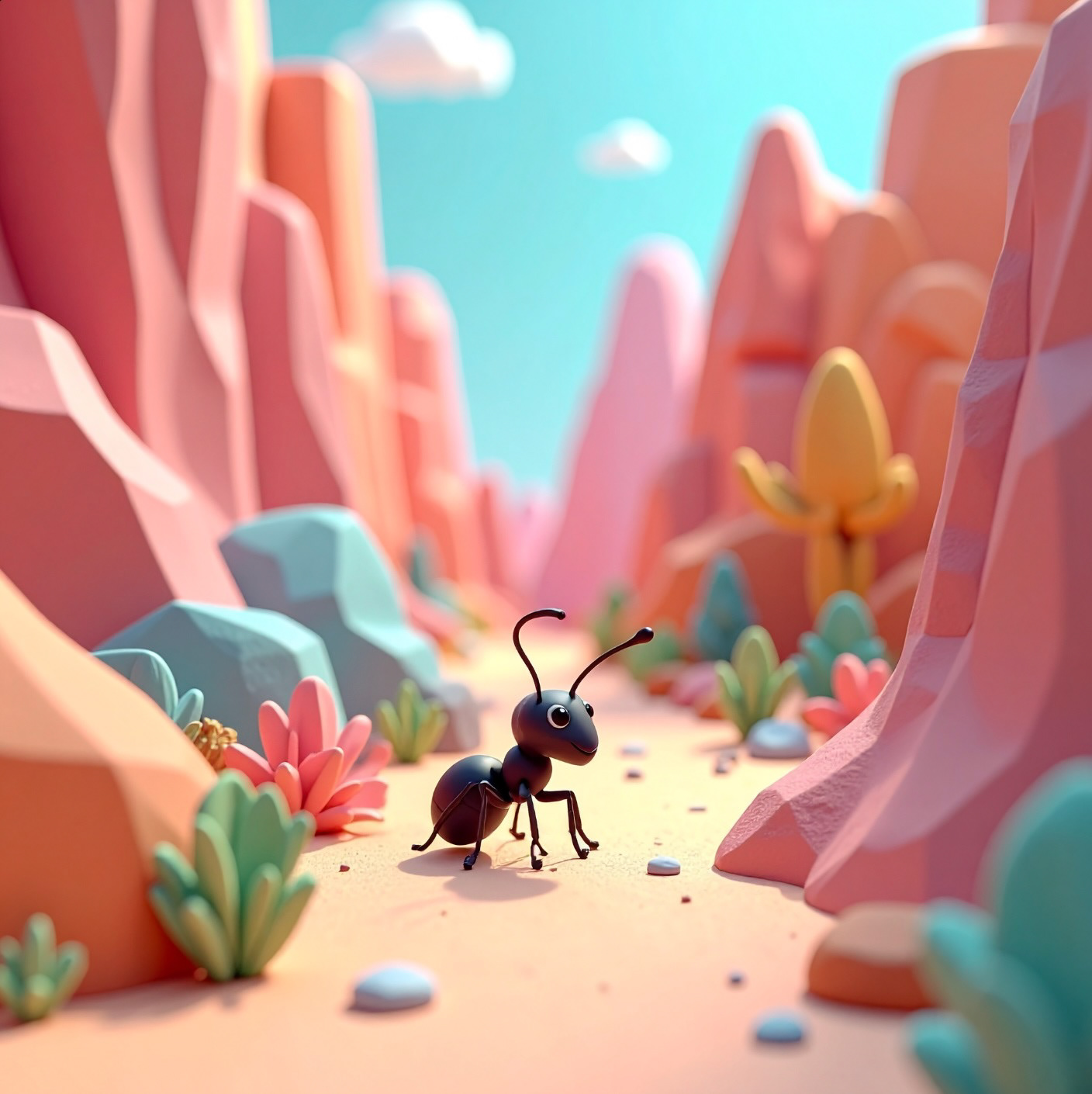
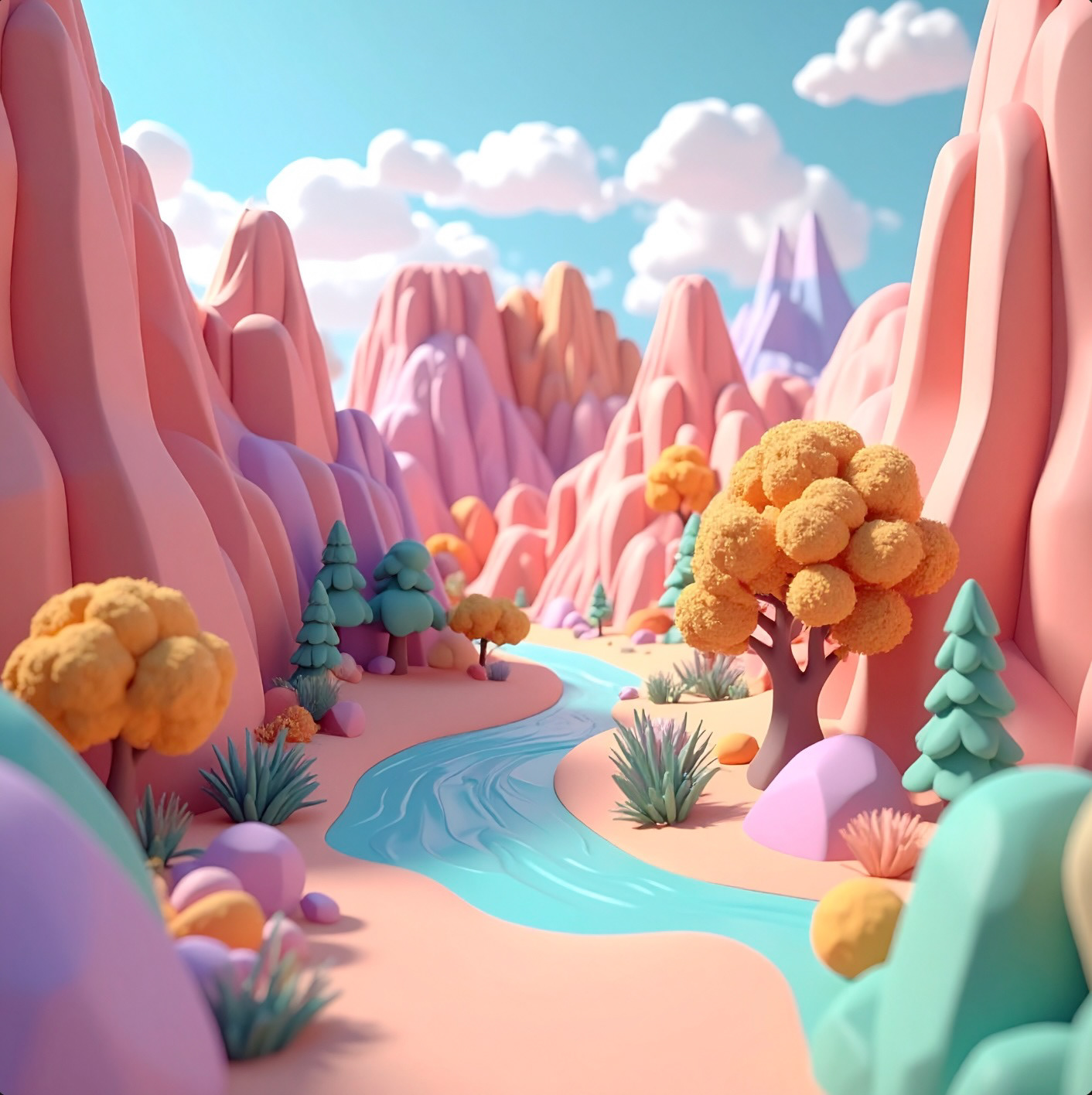
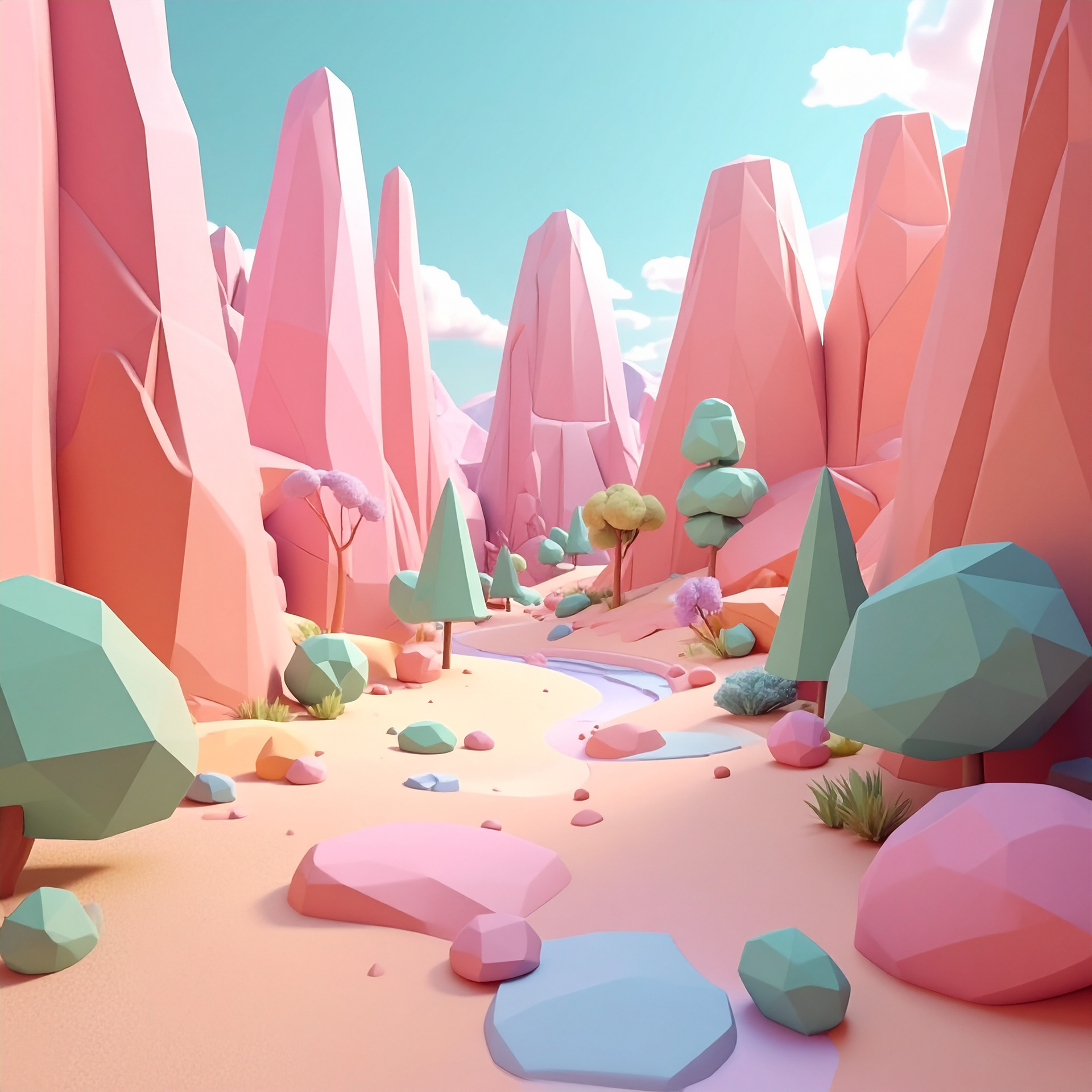
Images created using Adobe Firefly, animation with Kling